Tag: folklore
-
Spotlight on Buckholm Tower
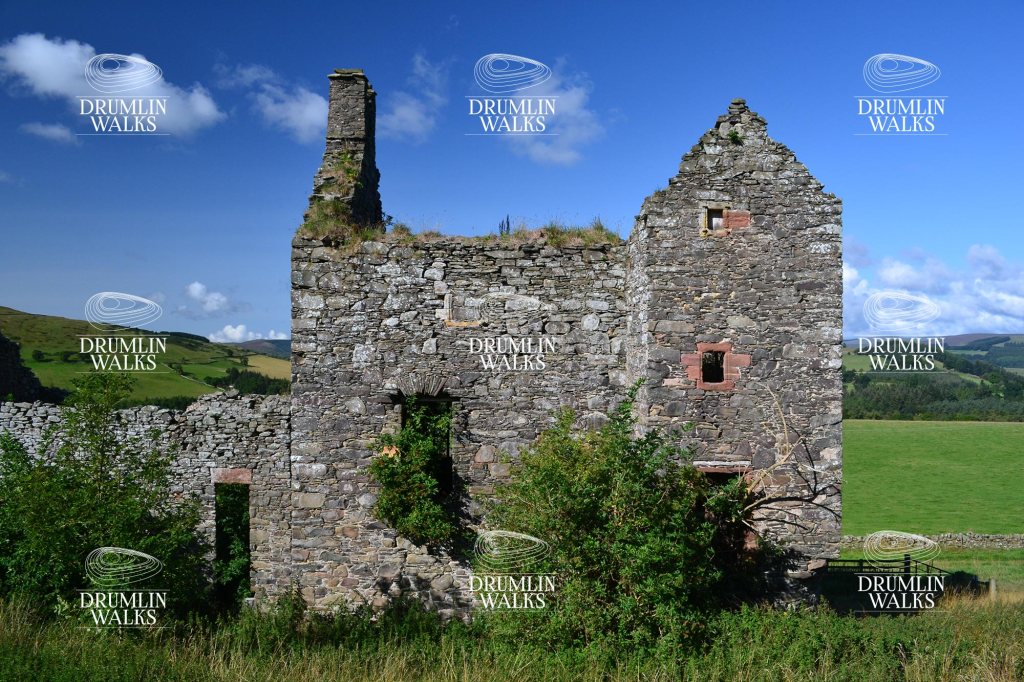
The now ruin of Buckholm Tower, built in 1582 by John Hoppringil, stands above the Gala Water. Legend has it that , Pringle the Laird of Buckholm, was cursed by the wife of a covenanter after he murdered her husband and son then hung their bodies from ceiling hooks in the vaulted cellar. Every June…
-
Cairns

A cairn is a manmade stack of stones that has been used since prehistoric times as way markers, memorials, burial chambers or to mark the summit of hills and mountains. According to Highland folklore, when clans fought each man would place a stone in a pile and those that returned from battle removed a stone.…
-
Exciting New Arrival!
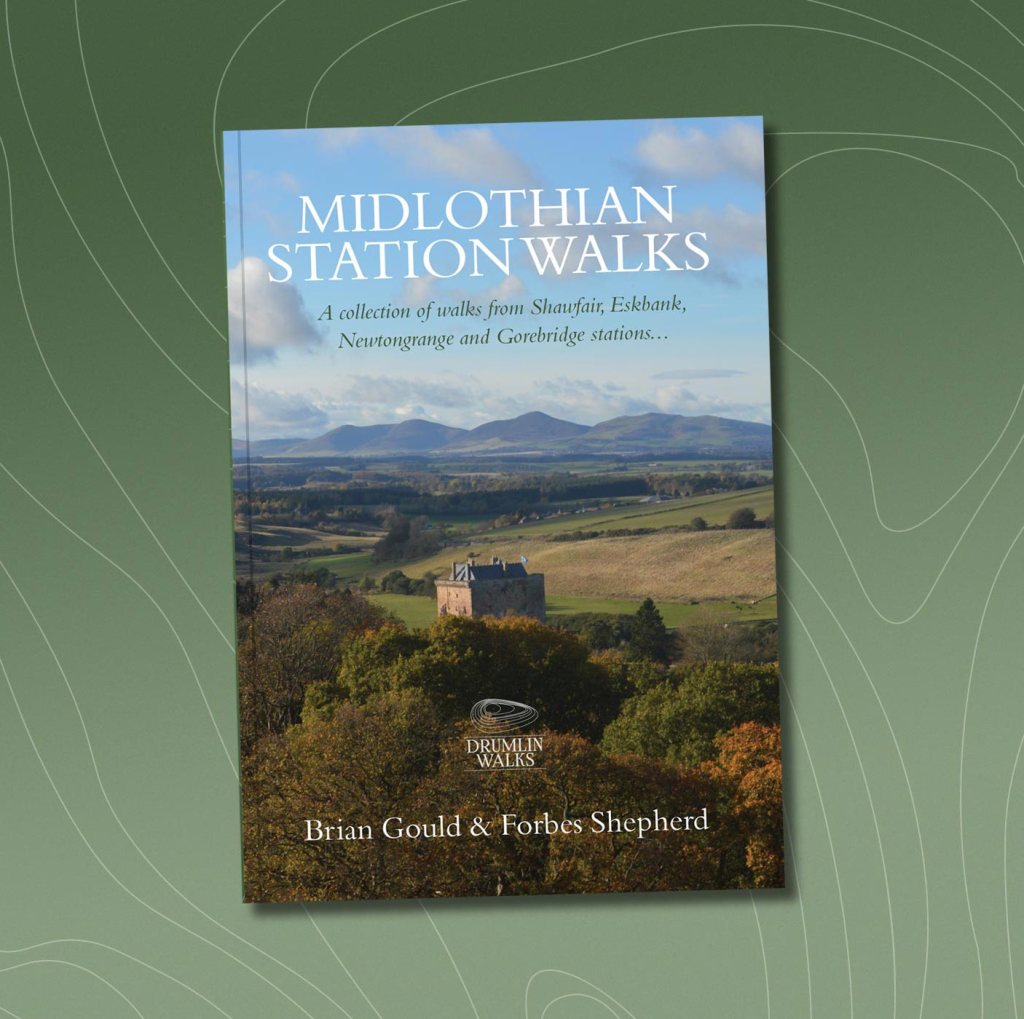
Our new book Midlothian Station Walks arrived from the printers today. 22 walks from the 4 Midlothian stations, Shawfair, Eskbank, Gorebridge and Newtongrange. This is the much awaited sequel to Border Station Walks but has a new look thanks to John from Industry Cottage, Gorebridge, who I am sure you will all agree, has done…
-
Bluebells

A carpet of bluebells covering the woodland floor is a sure sign that spring has arrived and the vibrant blue colour and scent are more than welcome after the long winter months. Amazingly, almost half the worlds bluebells are found in the UK and it is illegal to pick or destroy them. In folklore it…
-
Snowdrops
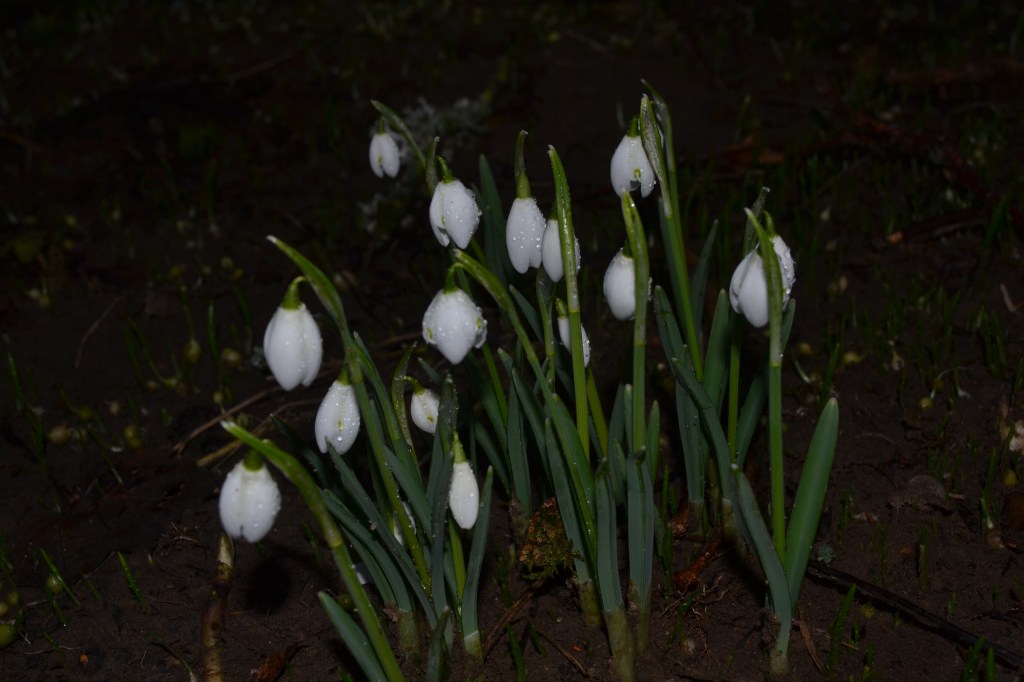
The flowering of snowdrops is one of the first signs that winter is drawing to a close. There are more that 2,500 varieties and they are a symbol of spring, purity and hope for better times ahead. Snowdrops got their name, not from drops of snow, but from tear drop shaped pearl earrings that were…
-
Yellow Brain Fungus
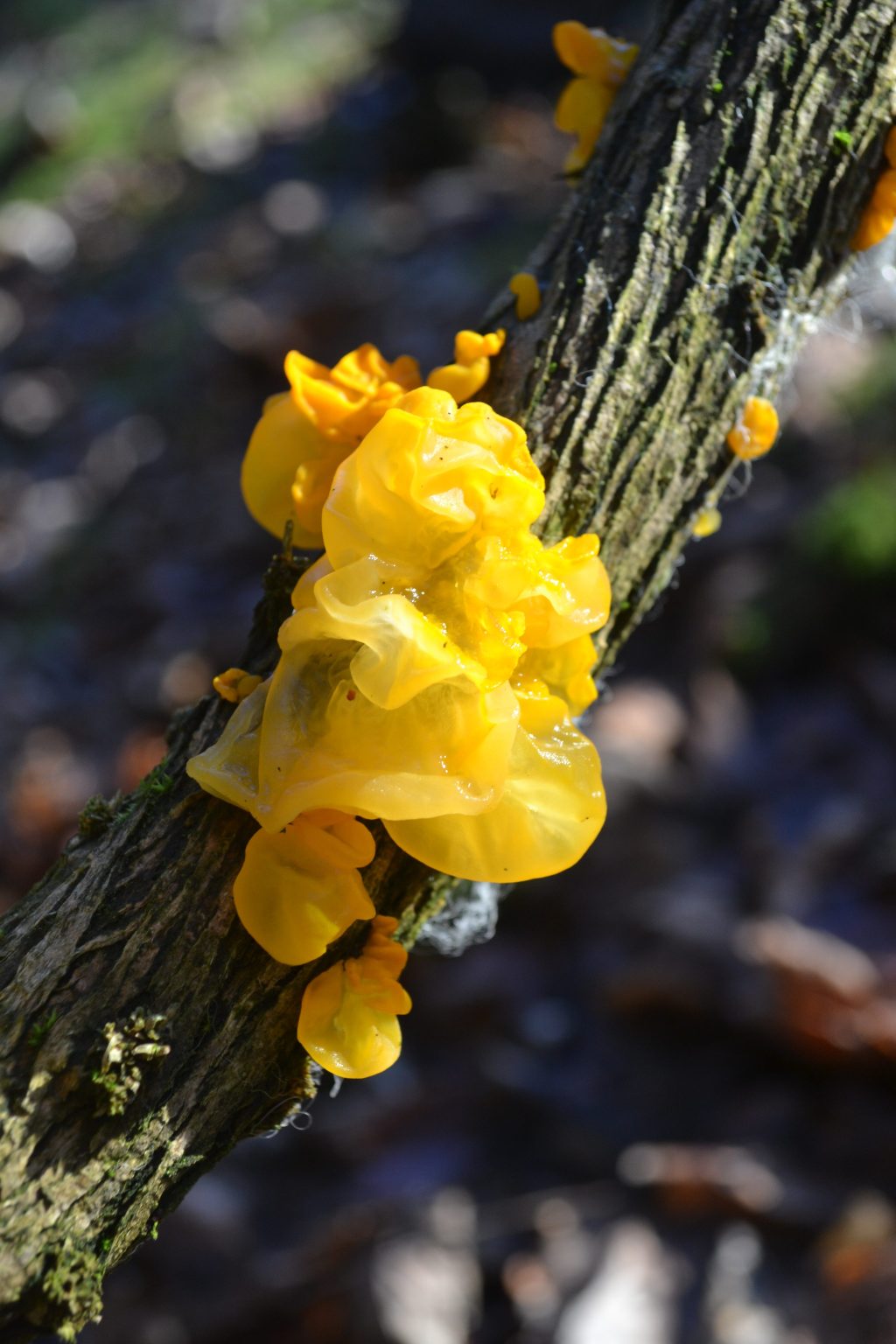
With its bright yellow colour this fungus will brighten up your day when you spot it while you are out walking. It is a jelly fungus and as the name suggests it looks a bit like a yellow brain. Unusually it doesn’t grow on dead wood itself but is parasitic and feeds on other fungi…
-
Holly, A Prickly Subject
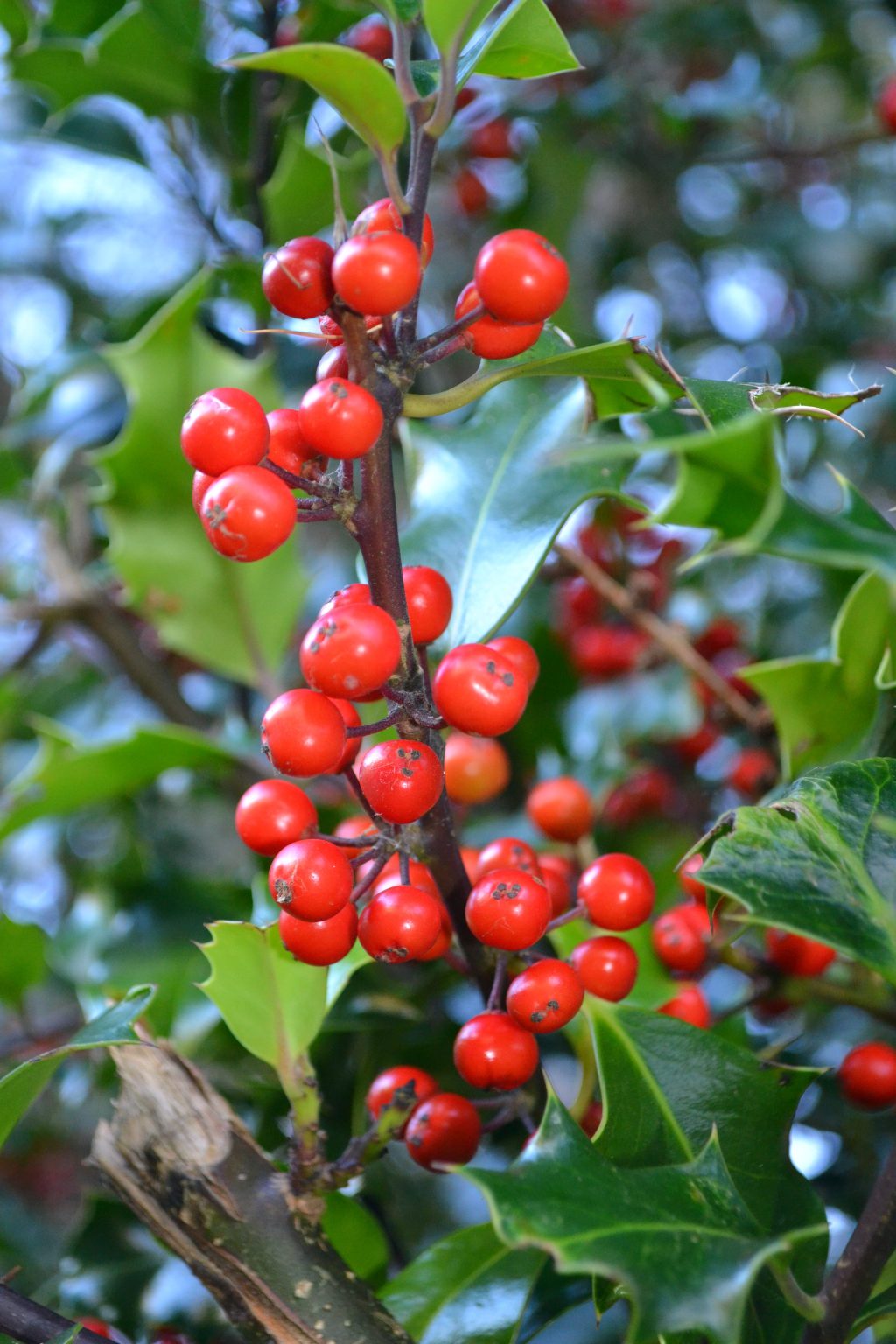
Druids believed that Holly would protect you against evil spirits and bad luck. Holly is associated with the Norse gods of thunder to protect from lightning strikes. This superstition is a scientific fact as the spines on the holly leaves act as miniture lightning conductors! According to legend by bringing Holly inside during the winter…
 Site Title